
Take a Data-First Approach to Risk Management
Protect your people, secure your data, and strengthen your supply chain
The Value of Risk Management
Proactively identifying and tackling risk plays a vital role in safeguarding your people, securing your data, and powering operational performance. Our experts provide customized, hands-on guidance shaped by your organization’s individual needs, industry context, and risk landscape. Partnering with you, we transform risk insights into practical risk management actions, leveraging worldwide experience with local expertise to help your business navigate both current and future challenges.
Informed by data, enabled by AI, guided by expertise.
We empower business leaders with data-driven insight to manage risk confidently. By combining decades of claims and risk engineering knowledge with AI-powered analytics and risk modelling, our experts help you to turn historical and future-looking data into practical guidance.
By learning from past events, benchmarking your risk profile, and identifying industry loss trends, you can anticipate vulnerabilities and prioritize mitigation efforts before a loss occurs. Our proprietary climate models reveal how extreme weather events and supply chain disruptions could impact your operations, enabling informed, proactive decisions.
AI-driven financial models translate complex risks into clear business impact, supporting resource allocation and strategic investment for resilience. Our insights, trusted by thousands of organizations, enable you to act decisively and build long-term stability.
Integrating resilience across your value chain
We help organizations make informed decisions about risk. Our risk engineers design custom services across diverse global industries. We collaborate with brokers and third parties to help organizations navigate the always-evolving risk landscape.
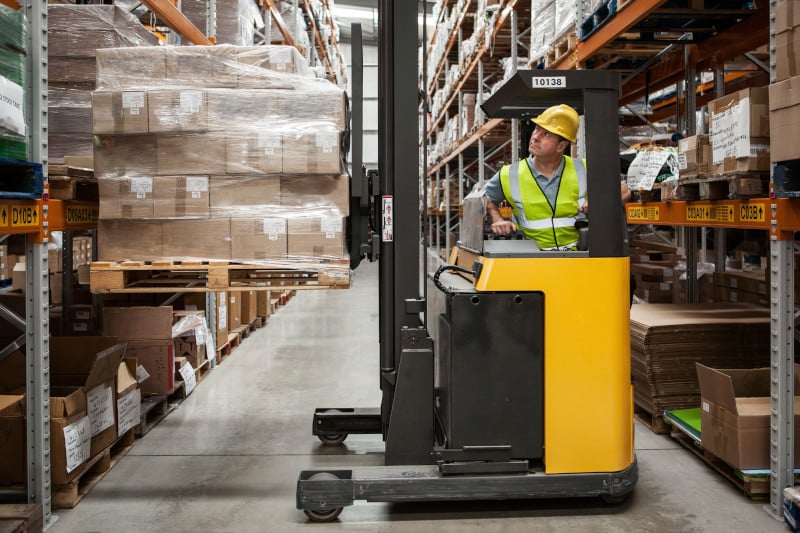
Casualty and Liability Risk
Transforming how organizations manage risk, improve safety, and strengthen their reputation in an unpredictable world.

Climate Resilience Solutions
Protect your organization from the current and future climate risks. Identify and manage climate risks and tackle climate risk reporting.

Cyber Security Resilience
Protect your business with 24/7 cybersecurity, incident response and crisis preparedness.
Property Risk Management
Strengthen your physical assets and business operations.

Renewable Energy and Power Generation Risk
Resilient infrastructure is fundamental to renewable energy output and its future investment.

Supply Chain and Marine Logistics
Strengthen resilience, reduce risk and optimize logistics across your global supply chain and marine operations.

Risk Insights and Industry Intelligence
Stay informed with expert insight on evolving risks, regulations and industry trends to strengthen resilience and stay ahead.
Frequently Asked Questions
- Identify the Risks: Start by recognizing all potential risks that could affect the organization. This could involve reviewing past incidents, conducting risk assessments, and brainstorming.
- Analyze the Risks: After identifying the risks, analyze the likelihood of each occurring and its potential impact. This helps in prioritizing the risks by importance.
- Evaluate or Rank the Risks: Once analyzed, rank the risks in terms of severity and likelihood. This step ensures that the most critical risks are addressed first.
- Treat the Risks: Develop strategies to manage or mitigate the risks. This could include avoiding, reducing, sharing, or accepting the risks.
- Monitor and Review: Risk management is a continuous process. Regular monitoring and reviewing ensure that strategies remain effective, and any new risks are promptly addressed.
Mitigating risk requires a proactive approach and involves several key actions:
- Risk Assessment: Regularly assess risks to identify potential threats.
- Develop a Risk Management Plan: Formulate strategies to avoid, reduce, or transfer risk.
- Implement Safety Measures: Put processes in place to minimize accidents and operational disruptions.
- Insurance Coverage: Ensure appropriate insurance is in place to cover financial losses.
- Employee Training: Equip staff with training in safety and risk management practices.
- Ongoing Monitoring: Continuously monitor the business environment for emerging risks.
- Leverage Technology: Use technology and risk management systems to track and address risks more efficiently.
Build a Stronger Risk Strategy
Managing risk effectively requires both insight and collaboration. Subscribe to the Zurich Resilience Solutions Risk Insights newsletter to stay informed on emerging risks and proven approaches. If you are looking for tailored guidance, connect with our team to discuss how we can help strengthen your organization’s risk strategy.
Start with a conversation
Our specialists can help you get a clearer view of your risk landscape, whether you are addressing a live issue or planning for what is next. Reach out to speak with a specialist on our team or sign up for our newsletter to learn more about the risks facing your organization.
From strategy to execution, we turn business complexity into
meaningful experiences.