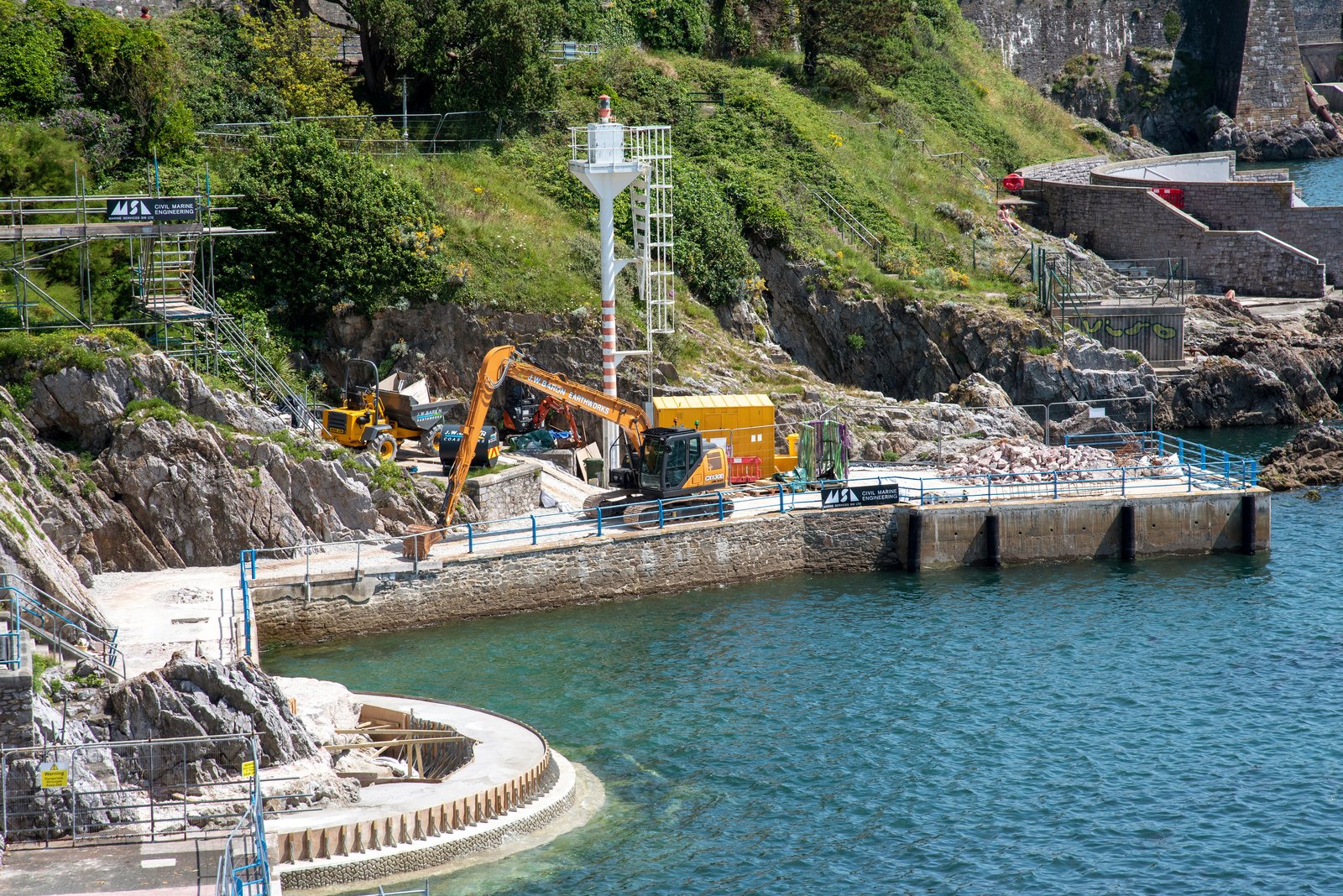
Building Near Water: Turning Site Risk into Opportunity
Risk ManagementArticleMay 14, 2026
Waterfront construction delivers premium locations, visual impact and long‑term economic value. It also exposes projects to forces that can derail schedules, inflate costs and threaten long‑term performance if they are not addressed early and deliberately.
Organizations that succeed in building near water approach risk as a component of design and planning, not a checklist at completion. Through rigorous assessment, thoughtful engineering and disciplined execution, site‑specific challenges can become opportunities for innovation, resilience and sustained value over the life of the asset.
Working With Nature to Manage Risk
The opportunities offered by construction on or near water expose projects to powerful natural forces that shape coastal landscapes and inland waterways. Tides, storms, variable soil conditions and rising water levels are factors that cannot be ignored or managed late in the process. For construction firms and marine risk engineers, safe and durable outcomes depend on recognizing these challenges and designing solutions that account for how water and weather interact with the site. Considerations must be embedded into plans and execution strategies for several natural risks:
- Flooding that disrupts schedules, damages materials and limits site access
- Unstable soil conditions that compromise foundations and increase rework risk
- Ongoing water exposure that accelerates corrosion and material degradation
- High wind speeds that affect temporary structures, lifting operations and worker safety
By addressing such risks proactively, construction teams and marine risk engineers can deliver structures that work with the natural environment and serve people and businesses for generations.
While specific measures should be tailored to the details of each project and its unique environment, there are numerous strategies for resilience teams should consider:
- Strengthen preparation and documentation with site-specific risk assessments, emergency preparedness plans and water-adjacent construction management plans
- Enhance coordination and oversight by designating a water-risk safety officer, implementing contractor training requirements and crafting schedules based on seasonal weather patterns
- Develop monitoring and early warning systems using weather, tide and surge data supported by routine environmental observation
- Apply clear operational controls for material storage, laydown areas, site access restrictions and response procedures during high-risk conditions
Construction on or near water introduces challenges that extend beyond the job site. Coastal projects face vulnerabilities in supply chains, logistics and marine exposures that can jeopardize safety, disrupt operations and threaten business continuity if not anticipated early. Harsh marine environments accelerate corrosion in steel and concrete, while timber is vulnerable to biological degradation. Additionally, dynamic forces from vessel traffic and environmental loads can lead to stress failures. Proactive planning, reinforced by disciplined inspection of marine infrastructure, helps organizations reduce loss potential, protect project continuity and build lasting resilience.
Considerations for Extreme Weather
Extreme weather represents one of the most consequential and time-sensitive risks for construction on or near water. Among these events, hurricanes require especially disciplined preparation because their impacts can escalate quickly across site safety, access, equipment, materials and supply chains. Effective hurricane planning depends on the ability to identify and execute critical tasks on a structured timeline as a storm approaches, rather than reacting once conditions deteriorate. Plans should establish clear, time-triggered milestones starting at least three days (72 hours) before projected landfall to ensure teams take proactive action before the storm disrupts operations.
Industry standard frameworks follow a countdown approach beginning several days ahead of landfall and escalating tasks as conditions worsen. These include confirming emergency contacts, securing vulnerable resources, verifying erosion‑control measures and testing power‑backup systems. Predetermined intervals allow teams to act swiftly and consistently, even under pressure.
Timeline‑based planning should be established to protect supply chain continuity, including the following:
- Accelerate or reroute materials and stage supplies outside projected impact zones
- Shift to alternative suppliers when transportation routes risk disruption or closure
- Activate communication protocols with carriers, storage partners and logistics hubs
- Implement phased shutdown or safeguarding procedures aligned with storm milestones
Aligning supply chain decisions with the storm’s progression helps organizations maintain operational control amid uncertainty, minimize downtime and support faster recovery.
Building Resilience Through Integrated Risk Management
Managing risk for construction on or near water requires looking beyond individual hazards to the long‑term performance of the build. Clients realize the greatest value when planning, engineering, inspections and business continuity considerations are integrated in a risk management strategy. Zurich Resilience Solutions supports these outcomes by bringing together specialized expertise across construction, property, marine, climate and business continuity disciplines, helping organizations reduce loss potential, strengthen compliance and support safe, reliable operations throughout the life of the asset.
Routine inspections play a crucial role in identifying early signs of deterioration and supporting informed maintenance planning, particularly in harsh marine environments where degradation can progress rapidly. Special‑purpose inspections provide deeper analysis when conditions warrant, delivering necessary insight to guide rehabilitation strategies and capital investment decisions.
Zurich Resilience Solutions’ marine risk consultants support clients by designing inspection programs aligned with recognized industry standards and tailored to the asset, environment and operating profile. When integrated with broader risk management efforts, these programs help reduce unexpected failures, preserve long‑term asset reliability and support operational continuity.
Key considerations for proactive programs:
- Treat underwater deterioration as a hidden but material risk that can accelerate loss and drive unplanned spending
- Apply standardized, industry‑aligned guidelines to support structured, repeatable inspection planning
- Leverage routine and special‑purpose inspections to inform maintenance, rehabilitation and operational decisions
- Integrate inspection insights with broader risk management strategies to protect assets and sustain operations
Resilience is built through disciplined planning and consistent execution over the life of an asset. By pairing comprehensive risk management with rigorous inspection protocols, organizations can reduce loss potential and keep projects moving in high-risk environments. Zurich Resilience Solutions supports this approach by helping clients anticipate site‑specific challenges, apply industry‑aligned practices and strengthen confidence in long-term asset performance. In complex waterfront environments, this integrated model transforms risk management from a defensive necessity into a foundation for sustained value.
For more information about protecting workers at construction sites on or near water, read the first article in this series: Protecting Workers on Waterfront Construction Projects